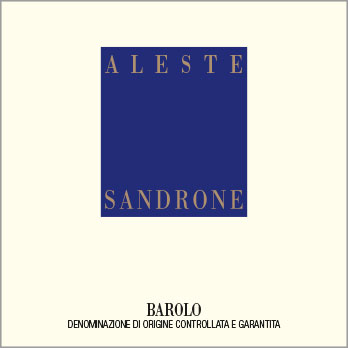
- Barolo DOCG
- 100% Nebbiolo
- Spontaneous fermentation from indigenous yeasts
- Maceration and alcoholic fermentation in open steel tanks
- Malolactic fermentation and ageing in French Oak tonneaux of 500 liters
- Aged in bottle for 18 months before release
- From the first vintage of 1985 Cannubi Boschis, from 2013 and beyond ALESTE
- Vineyard in the village of Barolo: Cannubi Boschis
- Alcohol: 14,5%
- Recommended drinking time: 2026 - 2045
ALESTE Barolo 2022
Tasting notes
The first thing one notes about Barolo Aleste 2022 is its intense bouquet, which pairs aromas of cherry and raspberry with wood and mineral notes, underpinned by a whiff of fresh spices and sottobosco.
There is something mysterious about this wine: first it hides – then it gradually reveals itself in the glass. In the mouth it is surprisingly robust and structured, but not heavy at all: it seems to ‘dance’ on the tongue. The red fruits take centre stage, followed by spicy and woody notes.
The mighty tannins are in need of a couple of years to balance out the wine, though the sweet elegance of the vintage is already perceptible. The finish unites a good share of tannins with notes of red fruits and graphite.
Ratings for the vintage 2022
Botti.no 95 points
Decanter 95 points
Jeb Dunnuck 95 points
Falstaff 94 points
Fine Wine Guide 95 points
Kerin O'Keefe 96 points
James Suckling 95 points
Vinous 94 points
Vinum 98 points
VITAE 95 punti
Wein Plus 96 Punkte
Wines Critic 96 points
Wine Enthusiast 95 points
Wine Spectator 95 points
Evolution of the vintage 2022
Resistance and resilience – these are the words that summarize 2022, resistance standing for the grapevine’s capacity to survive and grow strong even in adverse conditions, and resilience for the plants’ natural high stress tolerance over long periods of time.
The growing season of 2022 began with a rather dry autumn.
Only at the beginning of December did the first abundant snowfall arrive, which thanks to the low temperatures left the vineyard rows white for the next weeks to come.
The winter was mild and dry. Towards its end, though, temperatures briefly fell below the average of the last 20 years.
In spring, the budbreak occurred within the usual timeframe as compared to the years of the 1980s. In the first phases a lot of precipitation came down: 70-80 mm of rain in just a few days.
What followed was a warm and dry phase, with the heat rising day after day, but the plants were able to breathe thanks to the cool night-time temperatures. The phenological phases quickly followed one another and so the harvest was anticipated by about two weeks. The grapes, slightly smaller than usual, reached the cellar perfectly healthy and with a good balance of fruit and acidity.
The role of the viticulturist was limited this year but nonetheless fundamental: few but crucial measures had to be taken to prevent disease. Once more, our actions were guided by competence and experience, with the conscious choice not to intervene whenever the situation permits it.
The Harvest took place on September 26th and October 6th.