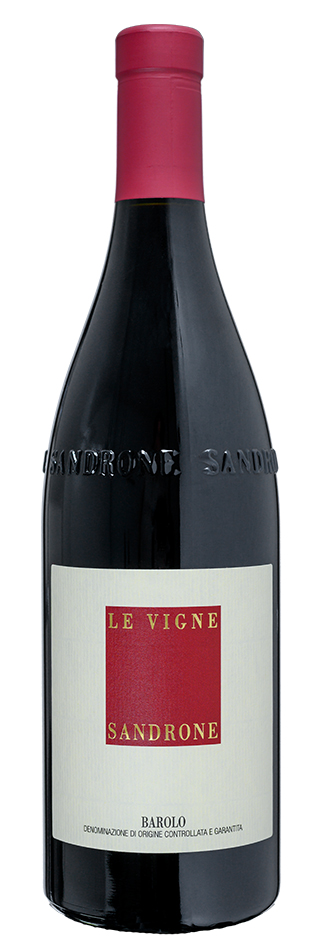
LE VIGNE Barolo
As it once was
Ancient art. Barolo Le Vigne represents our interpretation of the tradition of the Langhe and Barolo: that of the ancient and skillful art of blending Nebbiolo from several vineyards. We have taken up this historical custom working only with indigenous yeasts and keeping the grapes separate until the final assembly and blending, instead of mixing them during the fermentation phase.
The symphony of a territory.
The Barolo Le Vigne encapsulates the characteristics of each single one of its vineyards – unique in their diversity. The first sites to be united, thanks to the art of blending, were Vignane in Barolo and Merli in Novello. To join the bond in 2010 was Baudana in Serralunga d’Alba, and one year later Villero in Castiglione Falletto. In 2019 the Le Vigne project was completed by the addition of Le Coste di Monforte in Monforte d’Alba. Different in position, altitude, orientation, genetic heritage and soil composition, the vineyards that come together in Barolo Le Vigne through the art of blending are given one common voice, which narrates of the whole Barolo territory.
Every year a new discovery.
Harvested, vinified and aged separately, the final blend of each vintage combines the constituent parts to best express the particular character of each vineyard and enhance the uniqueness of each year.
In every vintage it is a wine that can age effortlessly. Typically, it gives its greatest expression after years of patience. We know that only with slow and silent evolution does Nebbiolo reveal its best character. Thus, our Barolo Le Vigne is part of the "sibi et paucis" project.
- Barolo DOCG
- 100%Nebbiolo
- Spontaneous fermentation from indigenous yeasts
- Maceration and fermentation in open steel tanks
- Malolactioc fermentation and ageing in French oak barrels of 500 liters
- Aged in bottle for 18 months before release
- First vintage: 1990
- Vineyards in the villages of:
Barolo: Vignane
Castiglione Falletto: Villero from 2011
Monforte d'Alba: Le Coste di Monforte from 2019
Novello: Merli
Serralunga d'Alba: Baudana from 2010